
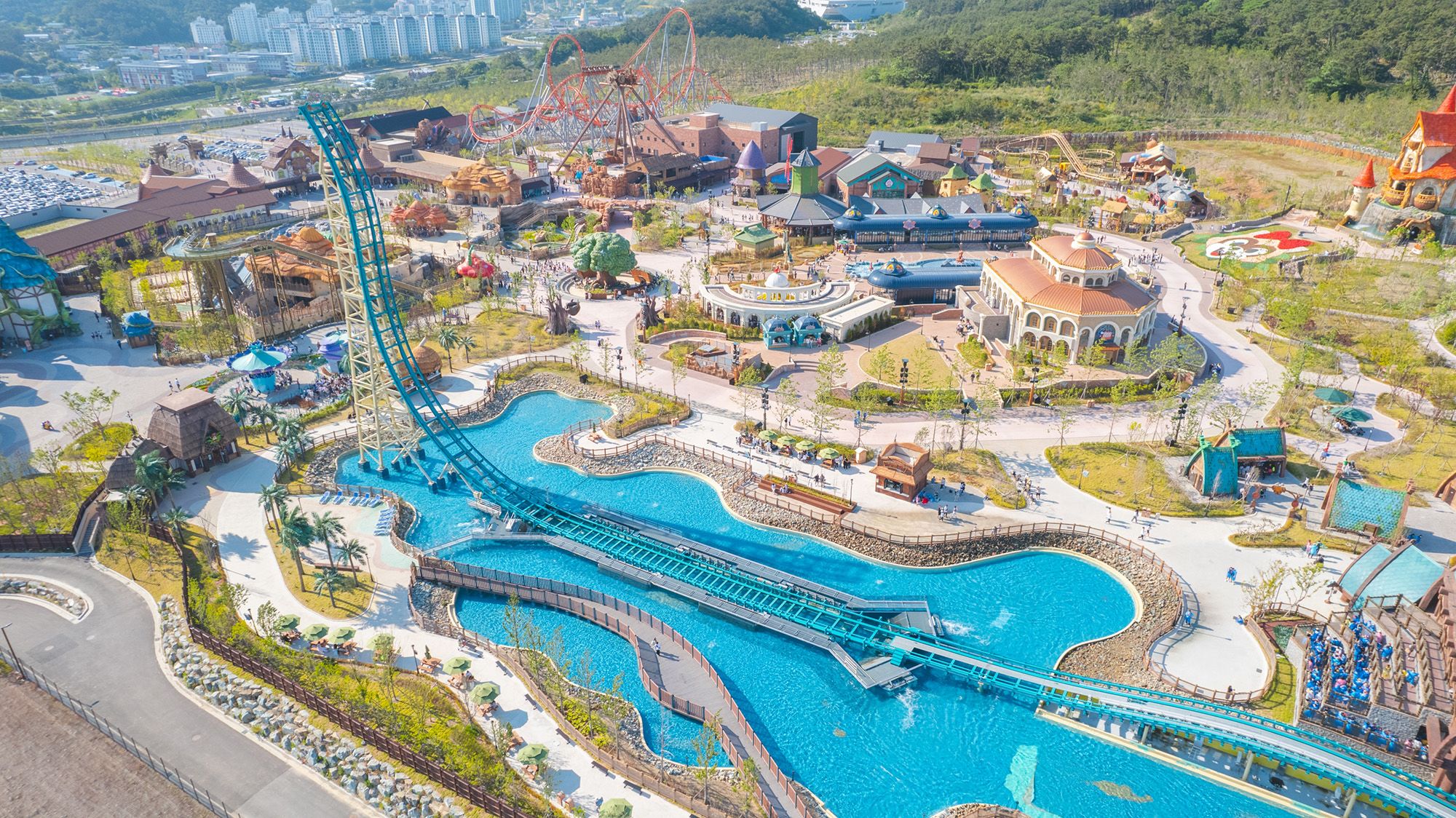
Amusement Park
Introduction
To stay competitive and ensure visitor satisfaction, theme parks and amusement centers must offer a variety of ticketing options. Whether visitors prefer purchasing tickets online, using a self-service kiosk at the entrance, or buying from a traditional counter, the best ticketing systems unify all these flexible choices into one seamless solution.
Features for Amusement Park

Ticketing
• Dynamic Pricing
•Self-service Ticketing
•Online Ticketing with Integration
•Membership, Season ticket & Loyalty Points Management

Turnstile & Locker
•Theme Park Turnstile
•Locker Management
•Park Capacity Management

Point-Of-Sale
•Theme Park POS Software
•Food & Beverage POS
•Mobile POS
•Merchadise POS
Embracing a Cashless Solution for Theme Parks
Modern theme parks are moving away from paper tickets in favor of digital options like QR codes, RFID wristbands, and smart cards. These alternatives not only enhance convenience but also open up a world of cashless payment possibilities throughout the park, offering several key advantages:
Boosted Spending: Cashless payments make it easy for visitors to top up their RFID cards with credit, facilitating on-the-spot purchases and enabling in-venue promotions. This can lead to a more personalized and enjoyable experience, encouraging visitors to spend more.
Customizable Designs: QR codes, wristbands, and cards can be designed to reflect the park’s branding, increasing brand recognition and creating a more cohesive visitor experience.
Ease of Use: With simple tap-and-go functionality, cashless payment methods are incredibly user-friendly—even for children. RFID readers work quickly and efficiently, regardless of wet or dry conditions.
Reusable Tickets: Unlike paper tickets, digital tickets can be reused, reducing waste and helping the environment while also cutting down on supply costs.
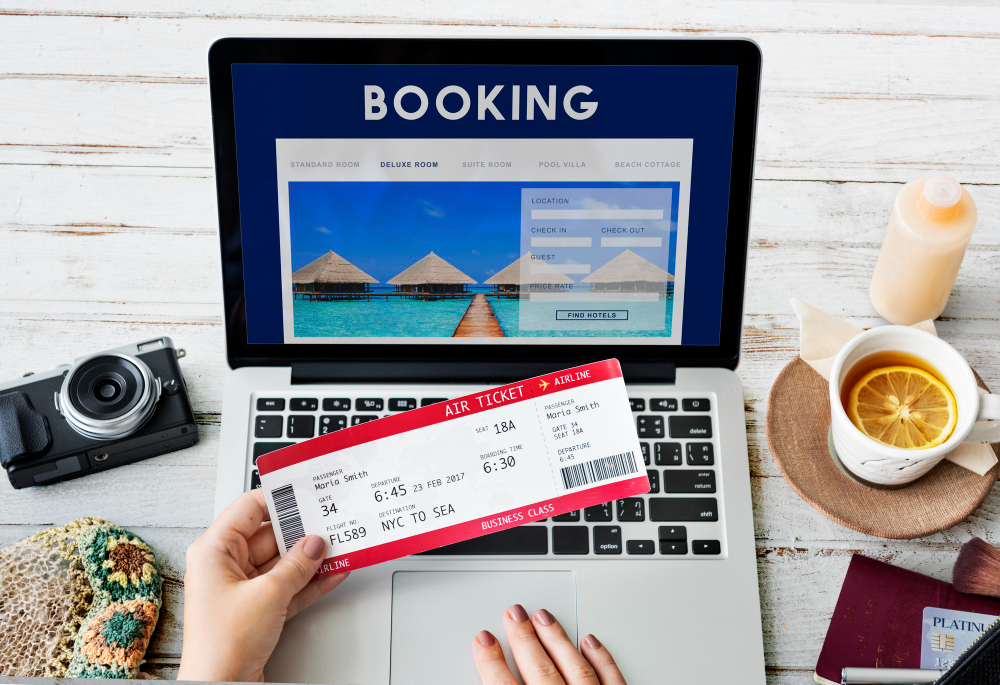
Online Ticketing with Integration
A contemporary theme park ticketing system should include the option for online ticket sales. By allowing visitors to purchase tickets in advance, parks can reduce queue times and streamline entry processes. Integrating with payment gateways that support multiple methods, such as FPX, credit cards, and e-wallets, ensures that visitors have the flexibility to pay how they prefer.
Collaborating with online ticketing platforms like Ticket2U and Klook can also help attract more visitors by making the ticket purchasing process even more accessible. This integration is essential for reaching a broader audience and enhancing the overall guest experience.
Theme Park POS Software
A user-friendly point-of-sale (POS) system is crucial for any theme park. With an intuitive interface, cashiers can easily navigate transactions, reducing errors and speeding up service. Portable POS devices can also be carried around the park, allowing staff to assist visitors with on-the-go purchases, further enhancing convenience and efficiency.

Self-service Ticketing Kiosks
For parks looking to reduce staffing costs or cater to guests who prefer a quick, self-directed experience, self-service ticketing kiosks are an ideal addition. These kiosks can be strategically placed at entrances and throughout the park to sell tickets, wristbands, and even facilitate card reloads. This self-service option not only improves visitor autonomy but also helps to upsell products and services.
Effective Capacity Management
With a variety of ticketing options available, park operators need the ability to monitor and manage capacity in real time. A unified ticketing system provides a clear overview of how many tickets have been sold across online and offline channels, which is especially crucial for managing visitor numbers in line with any pandemic-related restrictions.
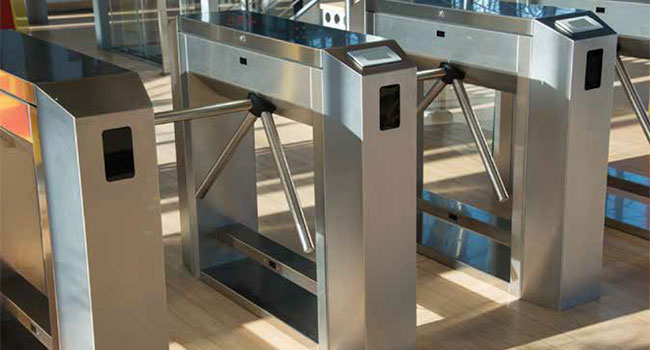
Theme Park Turnstiles
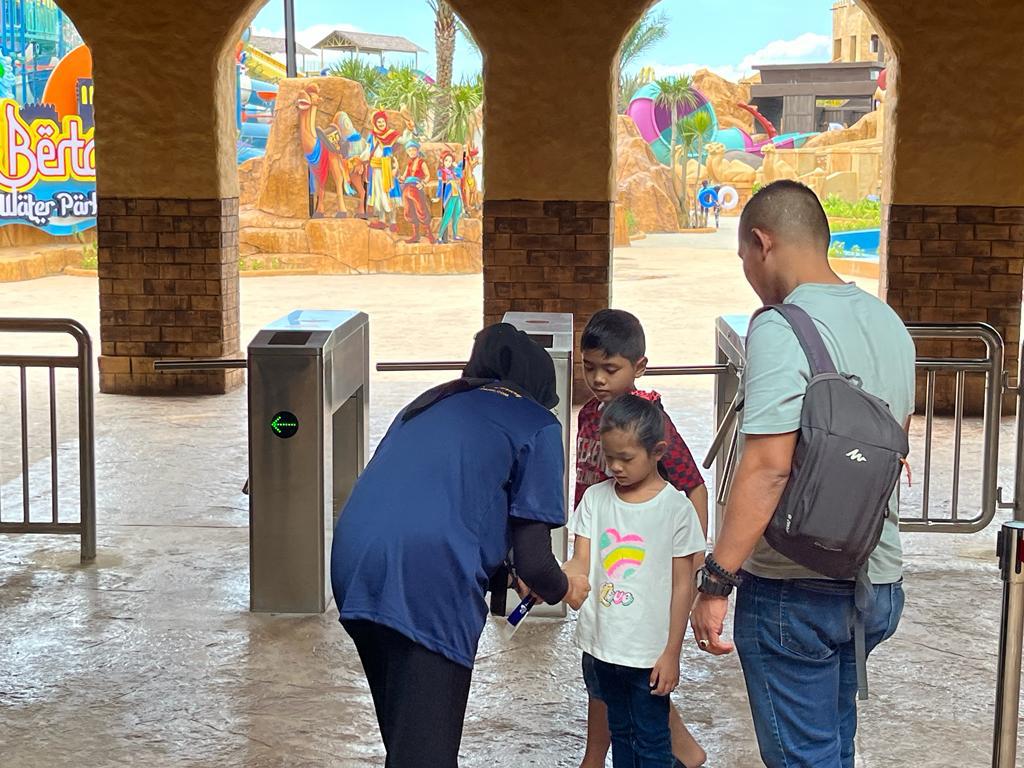
Turnstiles are a key component of any theme park’s access control system. They come in various styles, including swing gates, flap barriers, and tripod turnstiles, and can be equipped with scanners that verify guest entry using RFID, barcodes, or QR codes. This setup allows for smooth, automated entry, reducing the need for manual ticket checks and speeding up the entry process.
Dynamic Pricing
To maximize revenue, many theme parks implement dynamic pricing strategies, where ticket prices fluctuate based on the season or demand. This approach not only helps increase earnings but also ensures that visitors are always receiving the best possible value. By leveraging real-time data analysis, parks can gain insights into visitor trends and adjust pricing or promotions accordingly.
Queuing Solutions
Long lines can be a major deterrent for theme park visitors. By incorporating a virtual AI queuing module, parks can offer guests a personalized schedule, allowing them to reserve rides or activities in advance and skip the line. This not only enhances the visitor experience by reducing wait times but also helps manage crowd flow more effectively.
Membership, Season Tickets & Loyalty Points Management
Rewarding loyal visitors is a smart way to build repeat business. A comprehensive theme park ticketing system should include membership management features that offer VIP levels, special discounts, and exclusive offers. Season ticket options provide the best value for money for frequent visitors while also ensuring a steady income stream for the park.
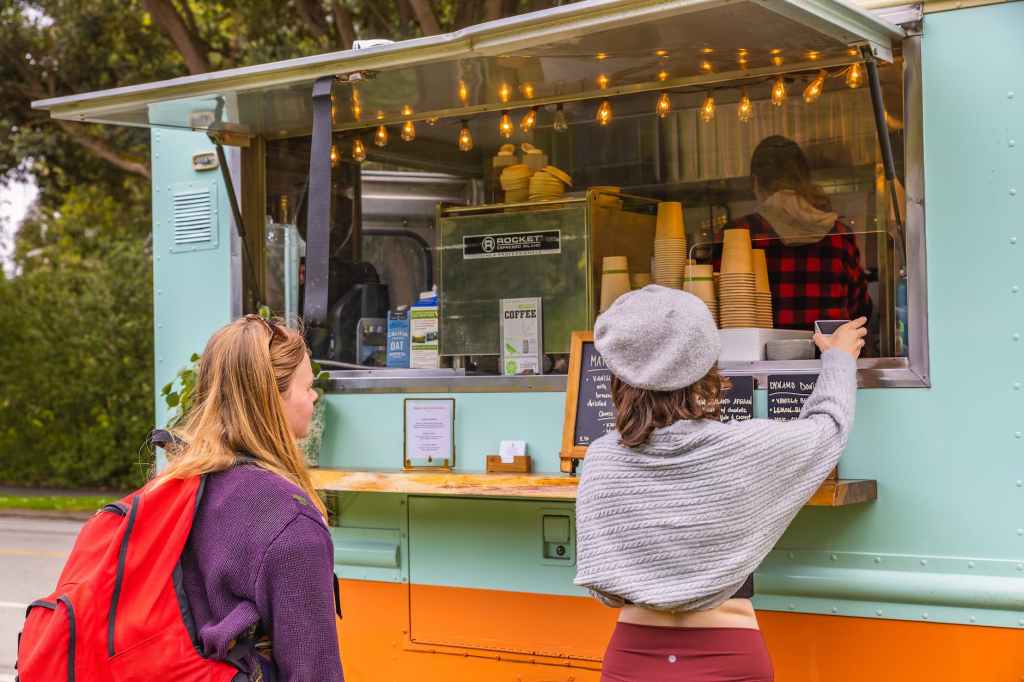
Food & Beverage Sales
Food and beverage sales are a significant part of the theme park experience. An integrated F&B POS system allows operators to track transactions, understand sales patterns, and generate real-time reports, all while offering cashless payment options for a seamless dining experience.
Locker Management
Lockers are a must-have for theme parks, providing a secure place for visitors to store their belongings. Using RFID and QR codes, entry tickets can double as digital keys, integrating seamlessly with cashless payment methods like credit cards and e-wallets.
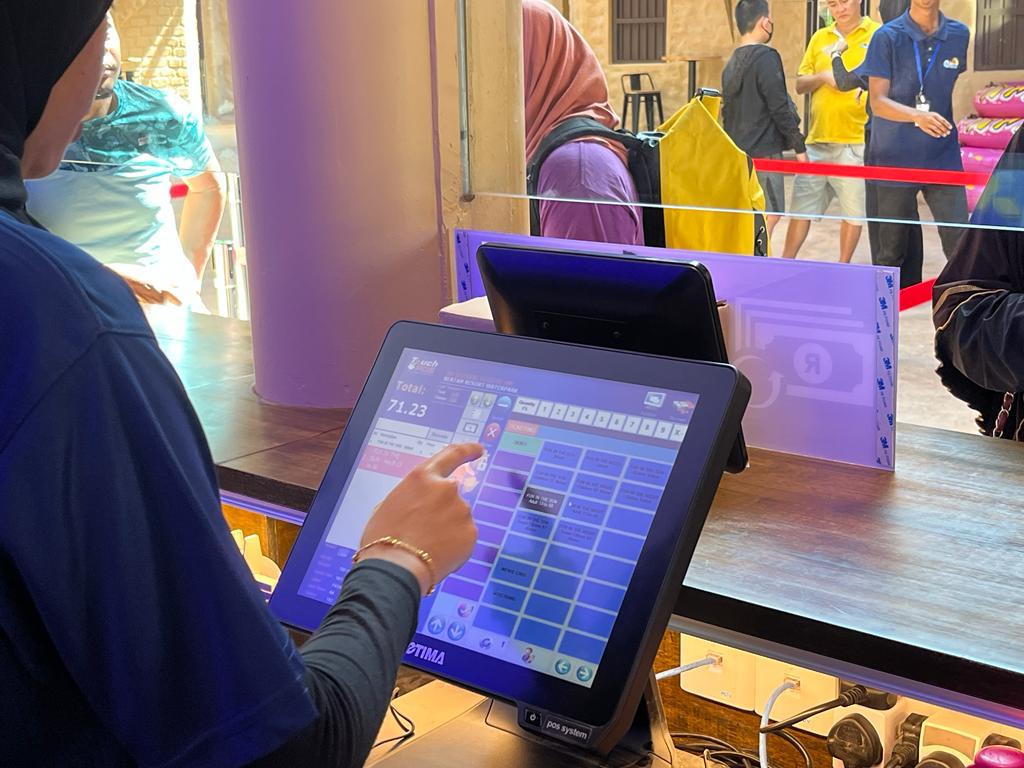
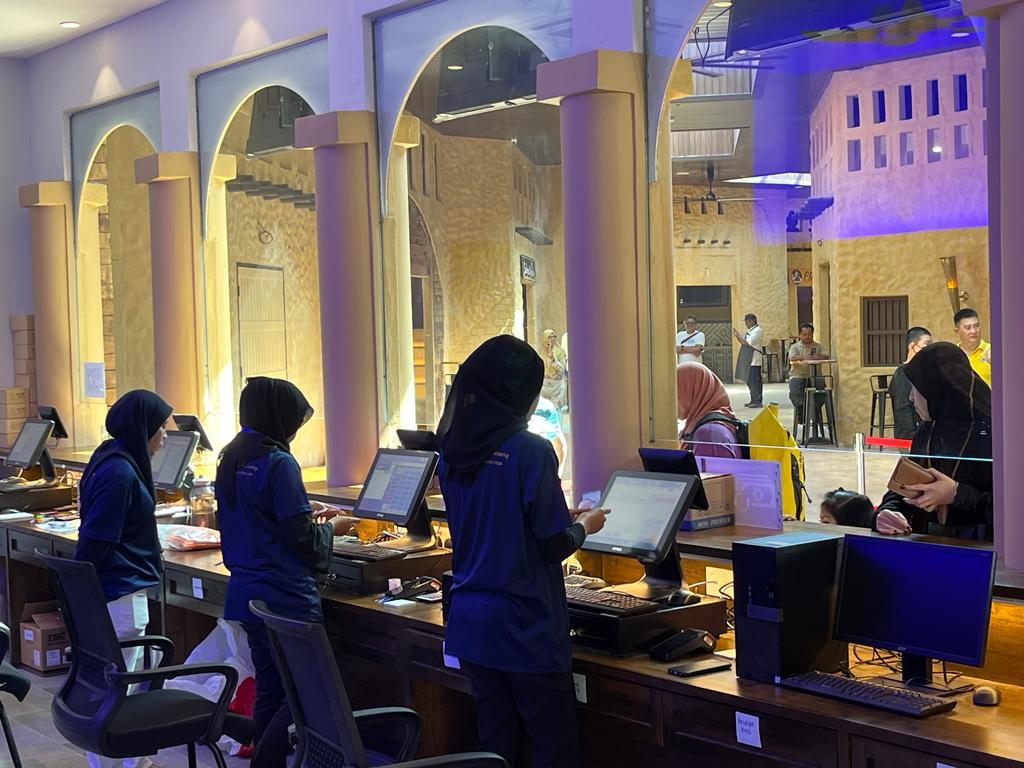
Ticketing Pos
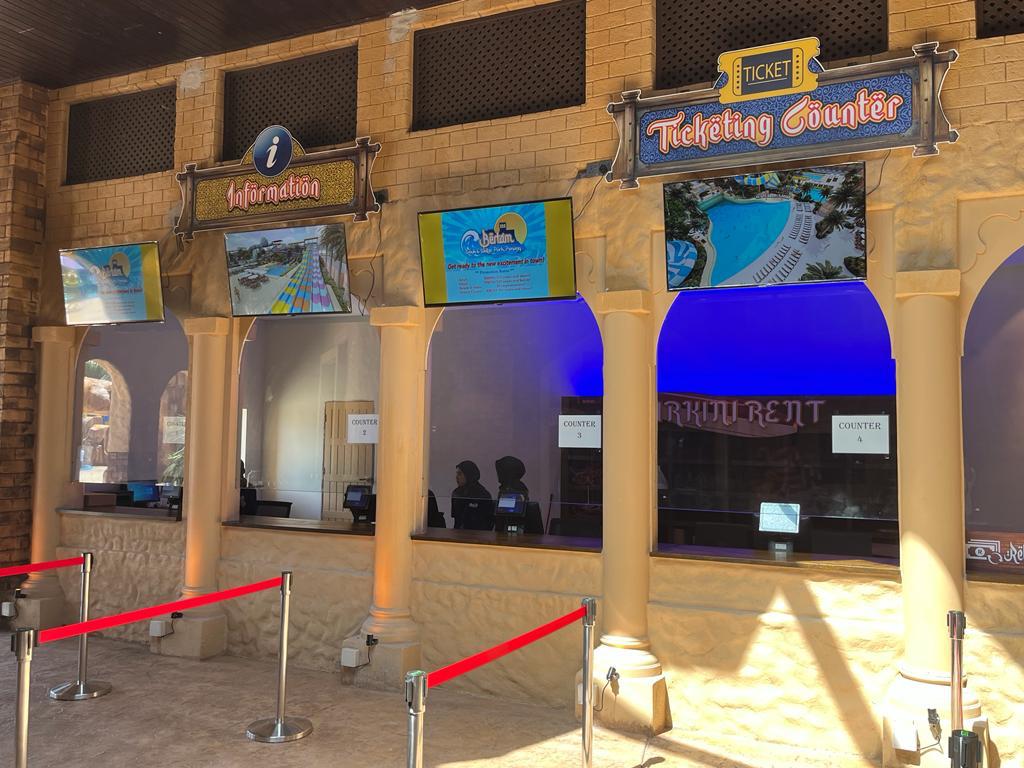
Ticketing Counter
Ticketing Counter


F&B POS
Turnstiles
Turnstiles
Contact Us for Quotation Now!
 Evergrow Network